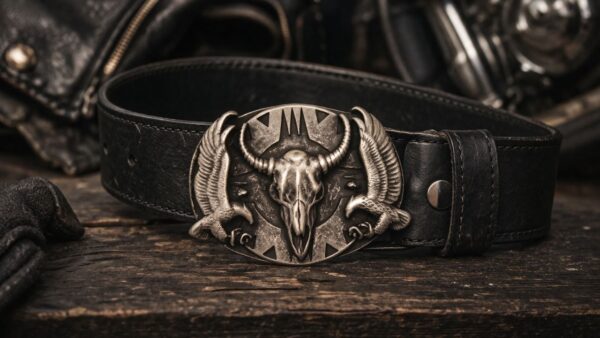
Zamak buckles: the difference between artisanal and industrial production, and the value of Made in Italy
Choosing zamak buckles is not only about design. Finish, detail, consistency, and origin also play an important role.
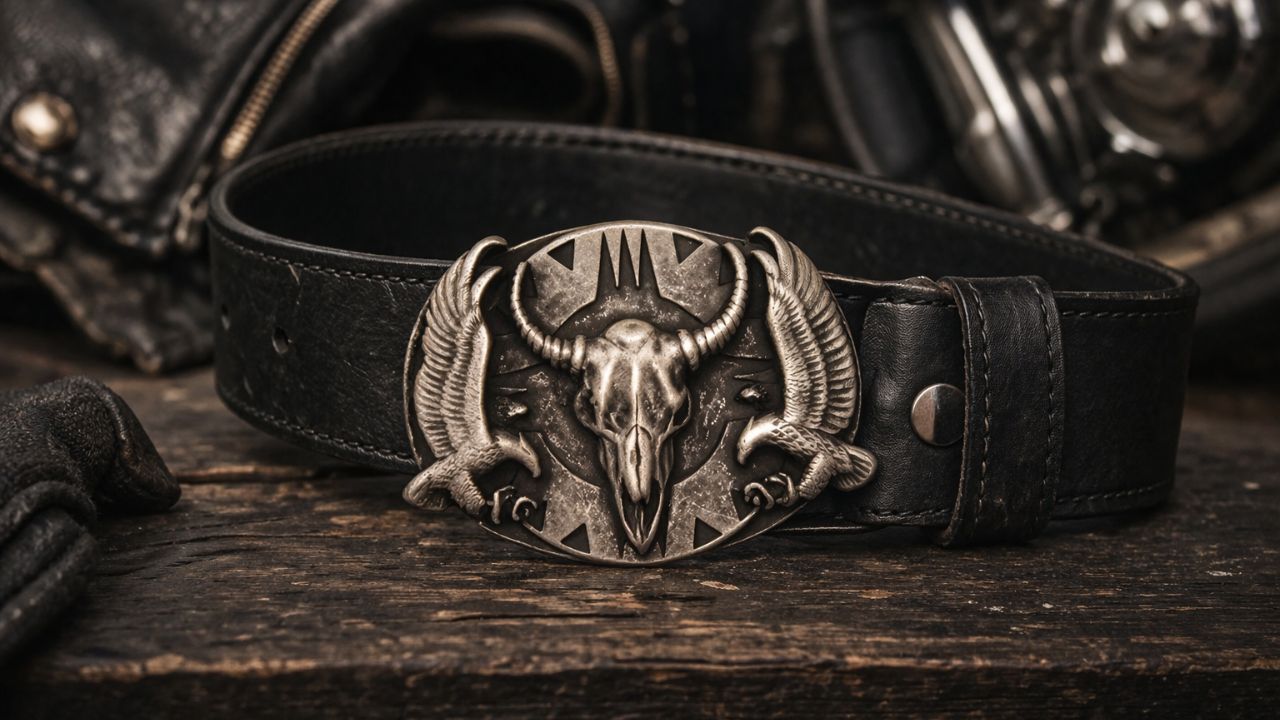
When you choose zamak buckles for belts and accessories, design is not the only factor. In fact, precision, finish, production consistency, and product origin also matter. For fashion brands, leather goods companies, and design offices, these elements affect the final result.
Zamak is one of the most used materials for this kind of component. It allows clean shapes, fine decorative details, and a good surface finish. However, not all zamak buckles offer the same result. For this reason, it is useful to understand the difference between an artisanal approach and an industrial one.
Why zamak is used for buckles
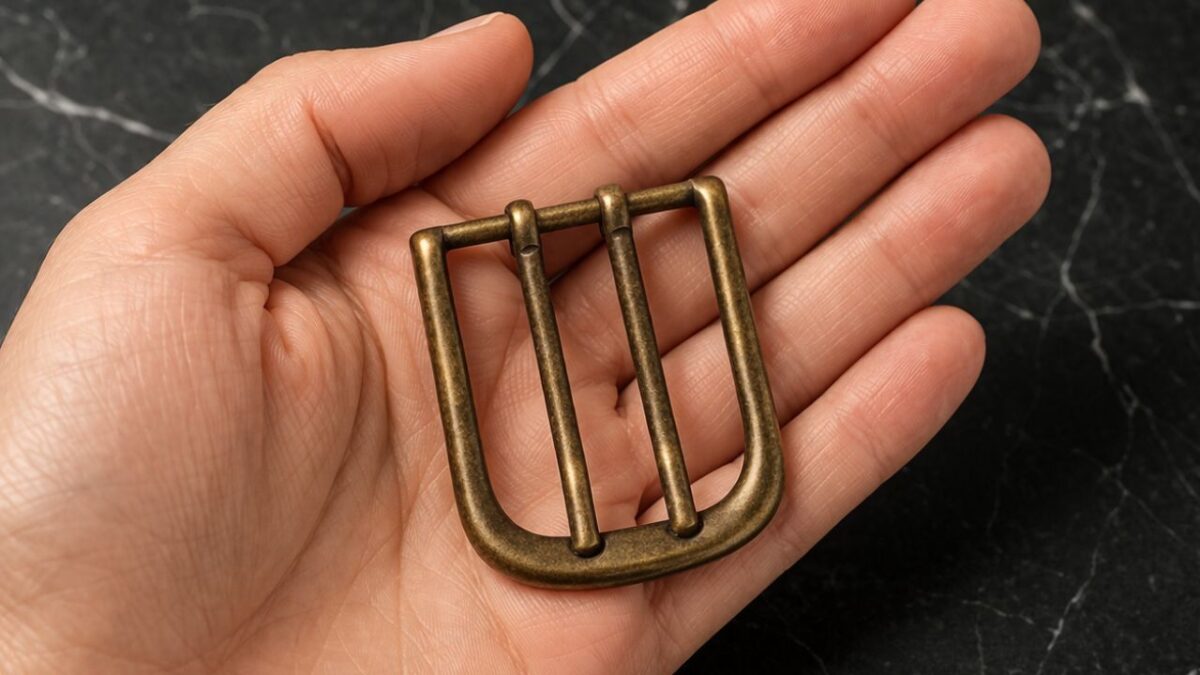
Zamak is a zinc-based alloy. It also contains small amounts of aluminum, magnesium, and copper. Because of this composition, it is well suited for die casting. As a result, it can produce metal accessories with precise shapes and clear details.
In addition, zamak works well with different surface treatments. For example, it can have a shiny, satin, antique, or plated finish. Therefore, it is a common choice in fashion, leather goods, and footwear.
Artisanal and industrial: a comparison that needs context
When people compare artisanal and industrial zamak buckles, the discussion is often too simple. In reality, the difference is not just a slogan. An artisanal product is not always better in every case. At the same time, an industrial product is not always a lower-quality option.
The real difference depends on the project, the level of control required, and the result the client wants to achieve. For this reason, in a B2B context, it is better to use a practical approach.
What a more artisanal approach can offer
In a more artisanal process, value often appears in the care given to detail. The visual quality matters, but the finish also matters. In many cases, this type of work allows closer control over the final look of the buckle.
Moreover, this approach can offer more flexibility. This is useful when a client needs a specific finish, a special detail, or a clear visual identity.
What a more industrial approach can offer
A more industrial process, instead, focuses on consistency and repeatability. It is often the right choice when larger quantities are needed. It can also help when deadlines are strict and every batch must match the approved sample.
However, industrial does not mean impersonal. If the process is well managed, an industrial production system can still offer precision, consistency, and a good visual result.
Where the real difference can be seen
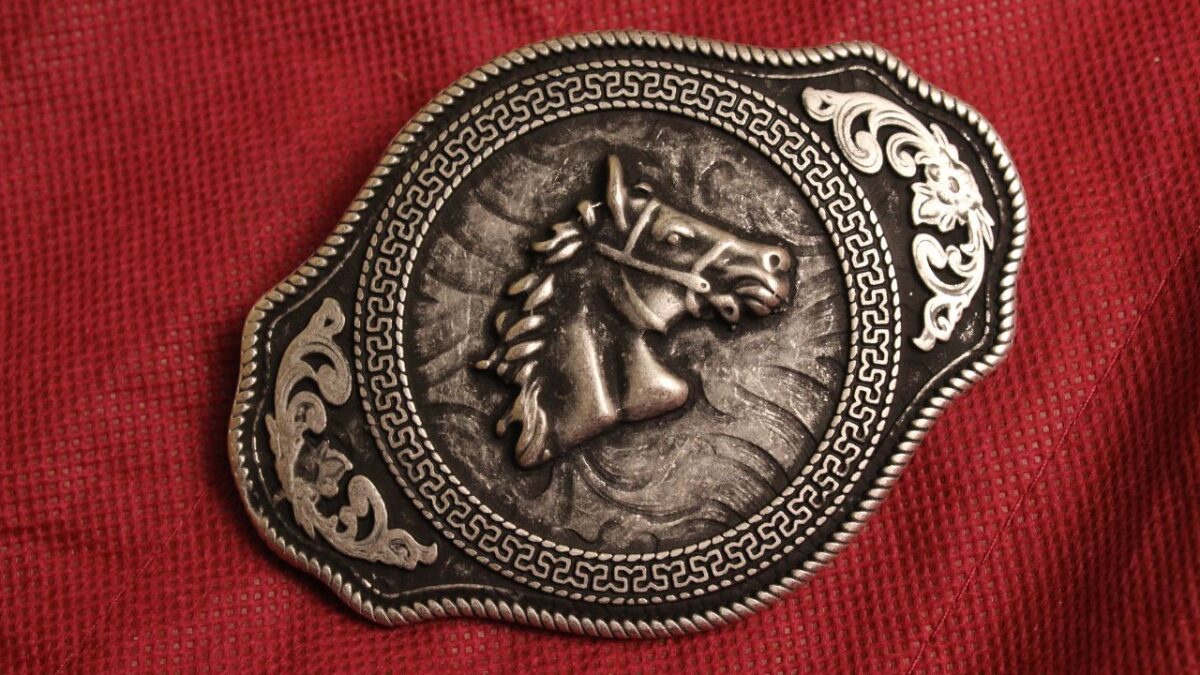
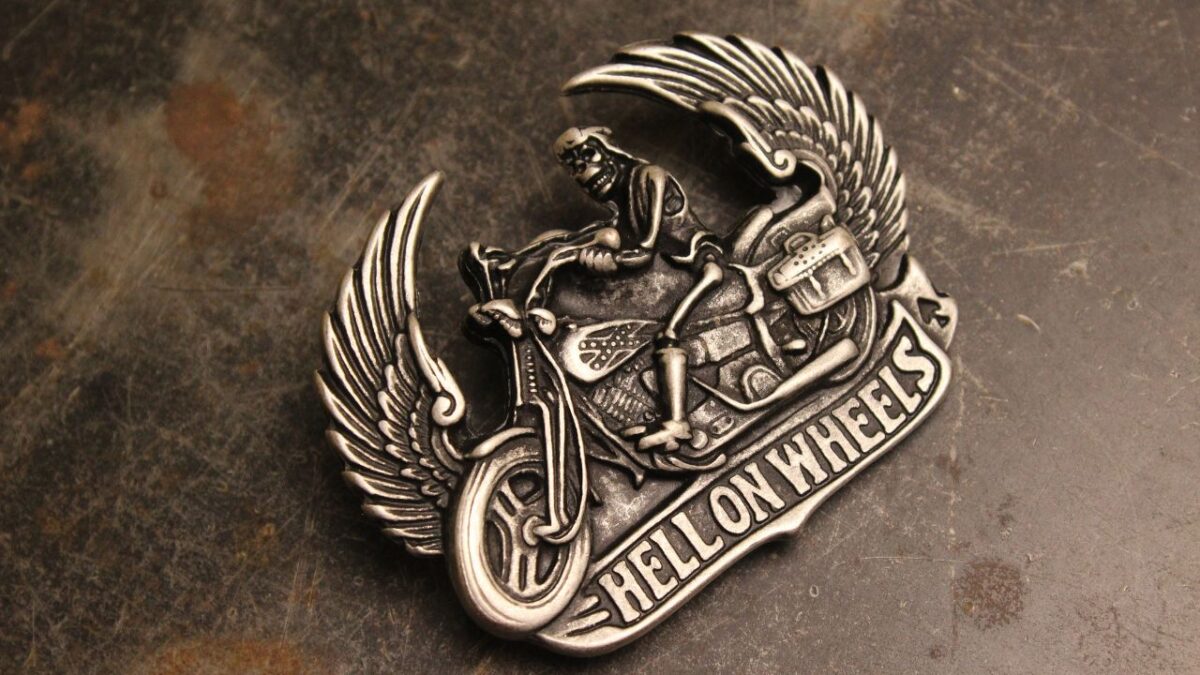
The difference between a well-made buckle and a more standard one can be seen in several areas. First of all, it can be seen in the detail. On a decorated buckle, for example, you can immediately notice whether the pattern is clean, whether the edges are sharp, and whether the texture is easy to read.
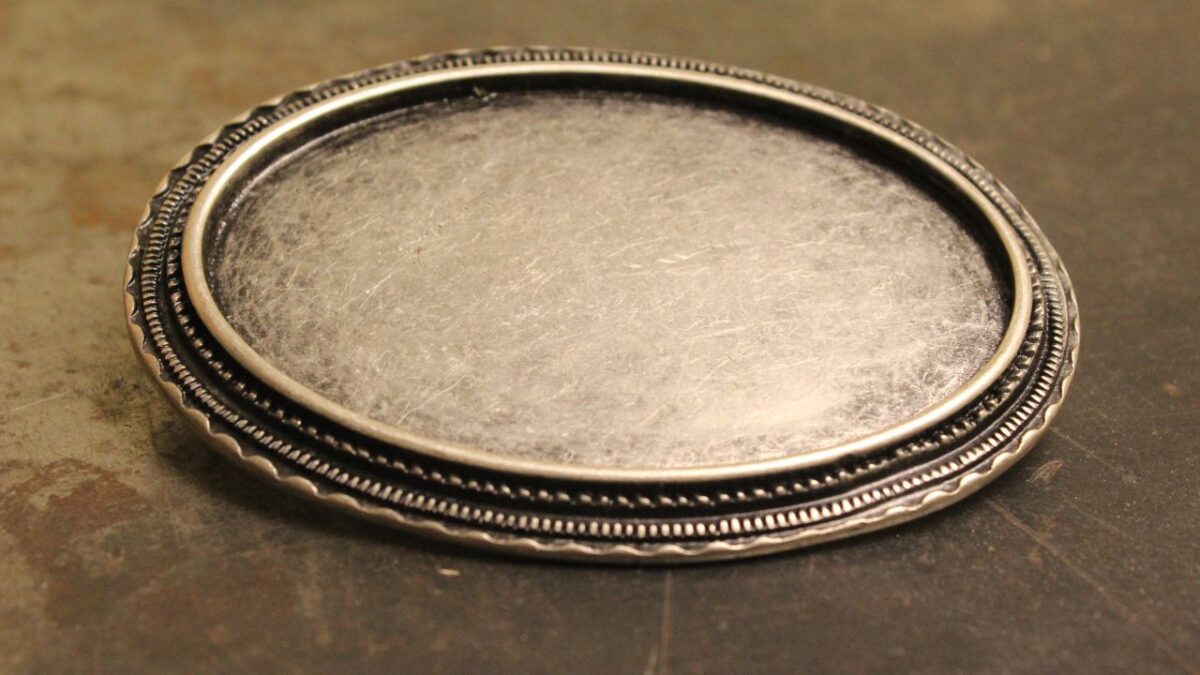
A second point is the finish. Even a well-designed buckle can lose value if the surface is not even. For this reason, shiny, satin, antique, or plated finishes must be managed with care.
Finally, there is consistency between the sample and the final production. This point is very important for brands and design offices. It is not enough to approve one good sample. The same standard must continue through the full production run.
The relationship between the buckle and the final product
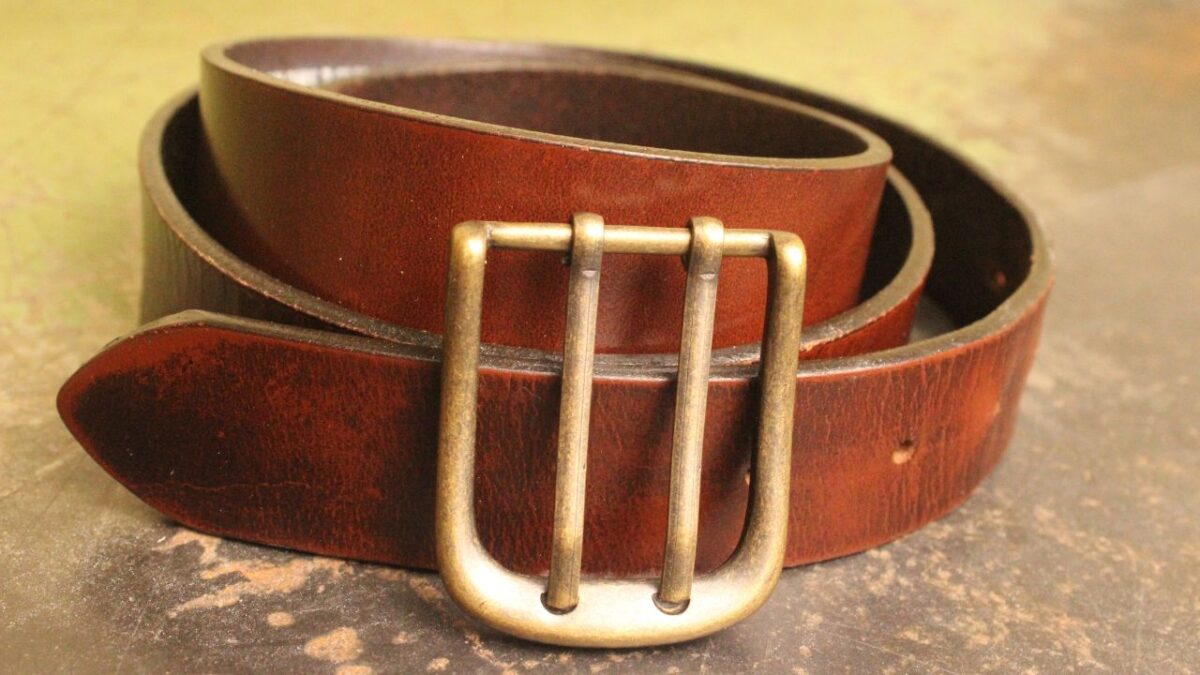
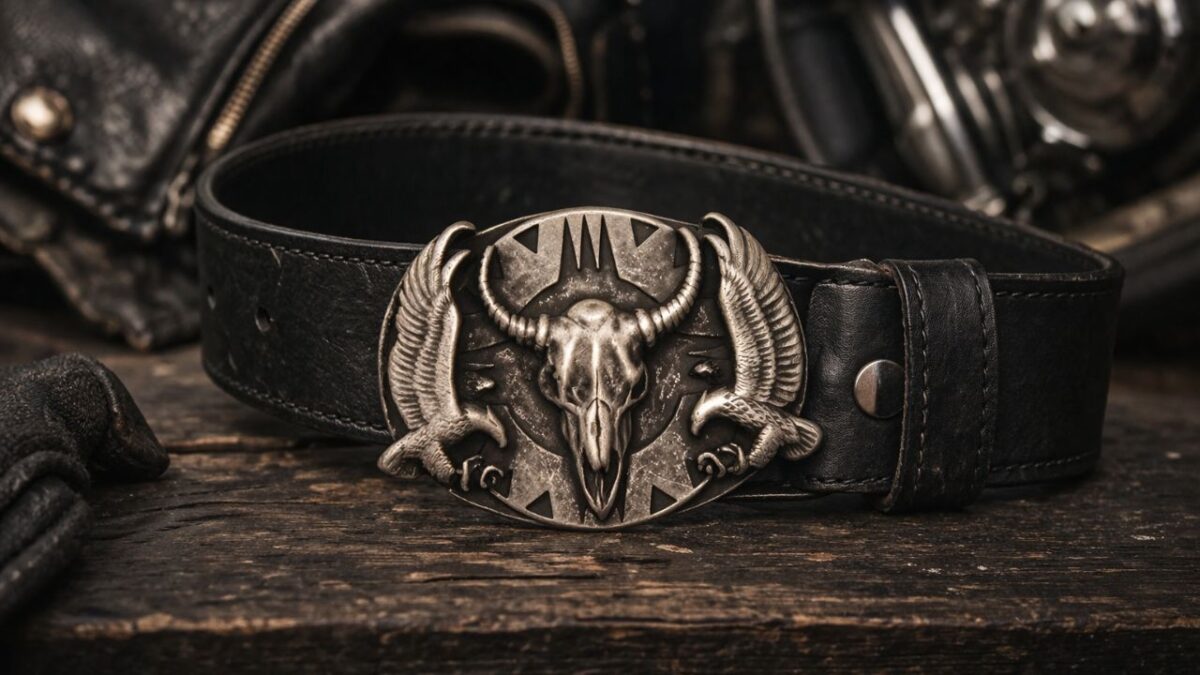
A buckle is not an isolated part. On the contrary, it must work with leather, fabric, stitching, and the overall style of the collection. For this reason, the component should always be chosen in relation to the final product.
For example, a belt in a higher market segment needs strong visual consistency. Shape, finish, and perceived quality must work together. In a more standard product, instead, continuity and production efficiency may have a bigger role.
Made in Italy and industrial are not opposites
In the comparison between “Made in Italy” and “industrial,” there is often confusion. In fact, these two concepts are not opposites. “Industrial” describes a production method or scale. “Made in Italy,” instead, refers to the origin of the product.
As a result, a buckle can be industrial and still be Made in Italy. This is an important point, especially in B2B communication. When used correctly, Made in Italy should be linked to process, control, know-how, and product development. It should not be used as a generic label.
https://cattaneominuterie.it/it/contatti/
What to check when choosing a zamak buckle
When selecting a zamak buckle, it is useful to look at a few key points. First of all, consider the level of detail required. If the project includes patterns, reliefs, or textures, the buckle must reproduce them in a clean way.
Then, look at the final finish. Surface appearance changes how the product is perceived. For this reason, it is useful to compare samples and check whether the finish matches the rest of the accessory.
Another point is the market position of the final product. A buckle must be in line with the target, the price range, and the image of the brand. In addition, supply consistency is essential, especially when moving from sample approval to production.
Finally, the reliability of the supplier matters. Origin, transparency, and process control are key points, especially when Made in Italy is part of the product value.
Each product in every range includes various items with specific features useful for most needs. Cattaneo Minuterie Metalliche offers personalized and customizable solutions for every type of requirement, and we are capable of tailoring our products to your requests.
For any information regarding this product range
Explore our entire production.